Protect Roofer for reliable roof installation and repairs
Professional Roofing Contractor for Durable Solutions
Hiring an skilled roofing contractor is essential for guaranteeing long-lasting solutions. Their know-how and familiarity of materials can greatly affect a home's longevity and maintenance. A reliable contractor not only complies with industry standards but also provides insights into best choices for individual needs. Understanding the benefits and processes associated with selecting the right contractor brings up important questions. What should homeowners take into account before making see information on this their decision?
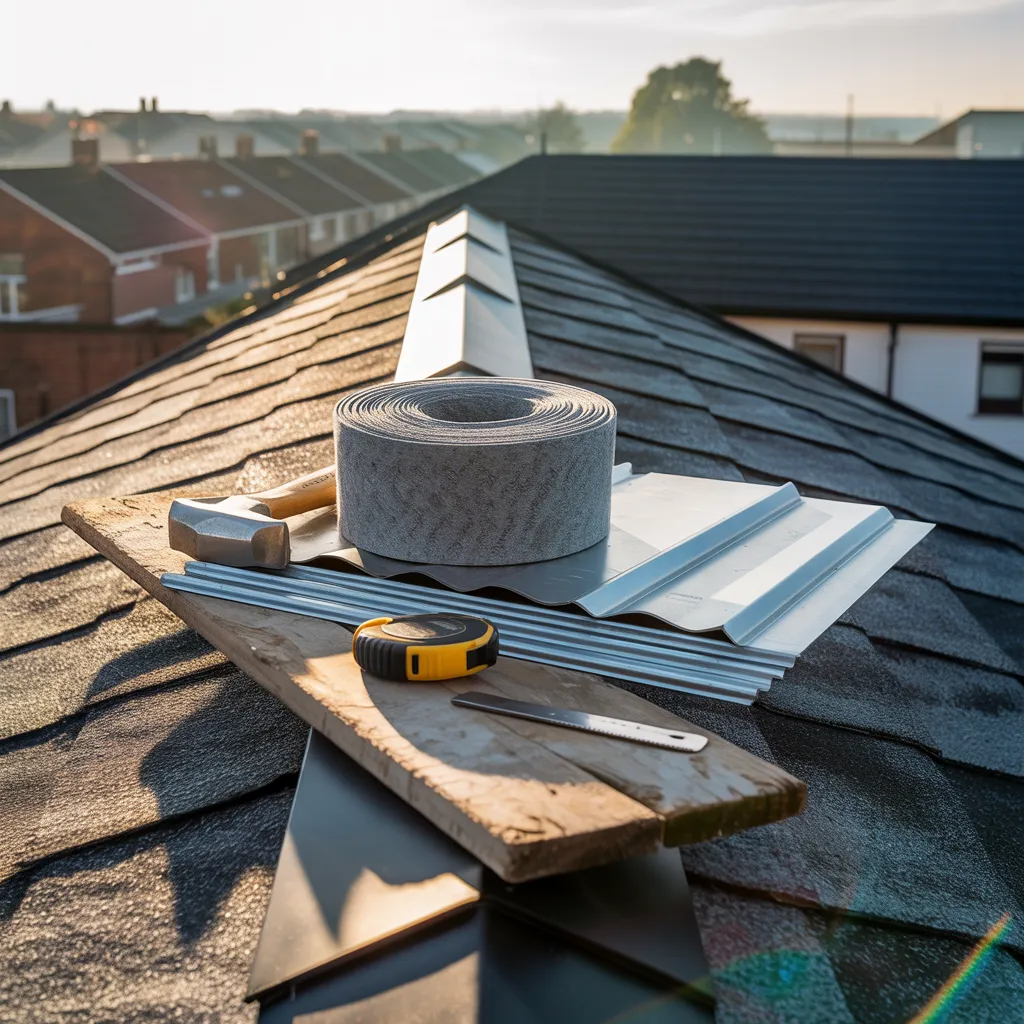
Why Select an Seasoned Roofing Contractor?
When homeowners search for roofing solutions, choosing a skilled contractor can greatly influence the longevity and strength of the final result. Seasoned contractors have a wealth of understanding about different roofing materials and techniques, allowing them to recommend the best options customized to specific needs. Their knowledge ensures that installations adhere to industry standards, reducing the likelihood of future issues.
Furthermore, experienced contractors often have established relationships with suppliers, allowing them to procure high-quality materials at competitive prices. This can lead to a more cost-effective project without sacrificing quality.
Furthermore, seasoned contractors typically offer warranties on their work, giving homeowners with peace of mind. This guarantee reflects their confidence in the craftsmanship they deliver. Ultimately, selecting an skilled roofing contractor not only enhances the immediate outcome but also contributes to the long-lasting performance and safety of the home.
How to Detect When You Need a Roofing Contractor?
What clues might a homeowner spot as the right time to call a roofing contractor? Catching the signs of roof damage proves indispensable for maintaining a safe and working home. Home dwellers ought to pay attention to for absent, fractured, or twisted shingles, which communicate potential harm. In addition, marks from water visible on ceilings or inside walls could suggest leaks needing quick attention. A lowering roof outline constitutes another serious warning sign, often revealing structural issues at the base.
Additionally, higher utility expenses can indicate poor thermal protection or inadequate ventilation resulting from roofing issues. Regular inspections following harsh weather conditions such as storms or heavy snowfall are crucial to identify any developing problems early. If any of these red flags are observed, it is recommended to consult a qualified roofing contractor to evaluate the situation and suggest required repairs or replacements. Timely action can avoid additional damage and ensure the longevity of the roof.
Perks of Retaining a Certified Roofing Contractor
Employing a professional roofing contractor offers substantial benefits, particularly in technical knowledge and ability. These professionals are experienced to tackle multiple roofing problems while maintaining the selection of premium materials. In turn, this leads to long-lasting and trustworthy roofing solutions that can resist the ravages of time.
Proficiency And Expertise
Although many property owners may consider handling roofing projects themselves, the expertise and skills of a professional roofing contractor can significantly enhance the outcome. These specialists have specialized training and broad experience, enabling them to spot potential issues that an untrained eye might overlook. Their skill in various roofing techniques ensures proper installation, which is critical for longevity and durability. Furthermore, professional contractors remain informed about the latest industry standards and safety regulations, mitigating risks during the project. By harnessing their skills, homeowners can avoid costly mistakes often associated with DIY attempts. Ultimately, hiring a roofing contractor not only delivers higher-quality work but also provides peace of mind, knowing that the roofing system is in capable hands.
Top-Tier Materials Verification
A experienced roof expert delivers not only expertise but also connections with high-quality materials that significantly affect the durability and performance of a roofing system. By obtaining materials from reputable manufacturers, these contractors confirm that customers obtain products engineered to resist environmental stresses, such as harsh climate events. This focus on excellence lowers the likelihood of repairs or replacements in the future, offering residents reassurance. Moreover, professional contractors are knowledgeable about the current best practices and developments, allowing them to advise on materials that enhance thermal performance. Ultimately, the choice to hire a professional roofing contractor certifies that the roofing project is completed with premium-quality products, producing a reliable and long-lasting roofing solution.
Types of Roofing Materials and Their Longevity
When assessing roofing choices, various materials deliver distinct advantages regarding durability. Asphalt shingles, known for their affordability, offer a reliable solution, while metal roofing delivers enhanced longevity and protection to severe weather. Additionally, tile roofing is praised for its impressive durability, making it a valuable option for homeowners seeking lasting protection.
Asphalt Shingles Guide
Plenty of property owners favor asphalt shingles because of their balance of cost-effectiveness and durability. These shingles, made primarily of asphalt and fiberglass, provide a versatile roofing solution. They come in a variety of styles and colors, empowering homeowners to tailor their roofs to match their visual preferences. The average lifespan of asphalt shingles extends from 15 to 30 years, depending on the quality and installation. Additionally, they perform well in various weather conditions, enduring wind and rain effectively. Maintenance is quite straightforward, often requiring only periodic inspections and cleaning. As a commonly used roofing material, asphalt shingles also deliver good fire resistance, contributing to their appeal among homeowners seeking dependable and cost-effective roofing options.
Metal Roofing Perks
While many homeowners desire longevity in roofing materials, metal roofing excels as an outstanding choice. Recognized for its remarkable longevity, metal roofs can last 40 to 70 years, considerably outpacing traditional options like asphalt shingles. They are impervious to a variety of weather conditions, including heavy rain, snow, and wind, making them ideal for diverse climates. Additionally, metal roofing bounces back solar heat, contributing to energy efficiency and reducing cooling costs. Its light nature allows for simpler installation and less structural strain. Available in a variety of styles and colors, metal roofs also improve a home's aesthetic appeal. With reduced maintenance requirements, metal roofing proves to be a smart investment for homeowners prioritizing durability and sustainability.
Tile Endurance Observations
Tile roofing supplies another durable choice for residents pursuing enduring remedies. Noted for its resilience, tile roofing can resist difficult weather situations, like intense sunlight, substantial rain, and forceful winds. Concrete and clay tiles are the most common types, each presenting separate benefits. Clay tiles are fire-resistant and can last over 100 years, while concrete tiles furnish value and adaptability in design. Both types need little maintenance and are protected from rot and insects. In addition, tile roofing supports thermal efficiency by deflecting sunlight, reducing cooling costs. Still, it is critical to evaluate the weight of tile roofing, as it may demand supplementary structural support. Overall, tile roofing proves to be a prudent choice for longevity and lasting value.
Assessing Roofing Projects: Essential Quality Metrics
When assessing the quality of roofing work, several key indicators emerge that can greatly affect a project's longevity and functionality. First, the materials used must meet industry standards; superior materials guarantee durability and resist environmental stressors. Second, the installation method is vital; improper installation can lead to water damage and structural issues, regardless of material quality. Third, careful detail in flashing and sealing can avoid water intrusion, a common source of damage.
Additionally, the availability of adequate air flow is essential, as it aids in managing heat levels and dampness within the roof assembly. Finally, an established service provider will provide coverage for both supplies and workmanship, reflecting assurance in their offerings. By evaluating these indicators, homeowners can make informed determinations about the quality of roofing work and its potential effect on their asset.
Questions to Consider Before Hiring a Roofing Contractor?
How can real estate investors ensure they choose the best roofing contractor? To achieve a successful roofing project, real estate investors ought to inquire several key questions. First, they should inquire about the contractor's licensing and insurance status to confirm their authenticity and defense against unforeseen issues. Subsequently, it is crucial to request references from past customers, allowing insight into the contractor's work quality and reliability.
Additionally, property owners should discuss the projected schedule and payment plan for the project, guaranteeing transparency on expenses and timelines. Asking regarding the materials employed and their warranties can also reveal the contractor's dedication to quality and durability. Finally, comprehending the contractor's approach to safety procedures can provide confidence about the workplace. By tackling these questions, homeowners can make informed decisions and select a roofing contractor that satisfies their specific needs.
Finding the Correct Roofing Material for Your Specific Needs
Determining the correct roofing material is essential for protecting a property's long-term durability and design beauty. Various factors influence this determination, along with climate, budget, and design scheme. Asphalt shingles are favored for their budget-friendly nature and ease of installation, making them suitable for countless property owners. Metal roofs, distinguished for their extended durability and resilience to tough conditions, draw those seeking strong options.
For a more environmentally conscious option, slate and tile offer durability and a unique appearance but come at a higher cost. Additionally, property owners should think about energy-saving benefits; materials like reflective metal can lower cooling costs.
Ultimately, the choice should align with both functional needs and personal preferences. Working with an experienced roofing contractor can deliver valuable insights, ensuring that the selected material complements the property while fulfilling long-term needs.
Often Posed Questions
What Period Does a Average Roofing Project Take to Finish?
A typical roof installation generally takes around one to three weeks to complete. Elements affecting the timeline consist of roof dimensions, materials used, weather conditions, and the complexity of the installation procedure.
What Guarantees Do Roofing Contractors Typically Offer on Their Work?
Roofing contractors usually present guarantees ranging 5 to 30 years, determined by the materials used and the difficulty of the project. These warranties often address material and workmanship defects, ensuring extended safeguarding for clients.
What financing options Are obtainable for roofing projects?
Many roof specialists provide financing options, including flexible payment schedules, loans, and credit lines. These options can assist house owners handle expenses with greater efficiency, making roofing projects more available without diminishing craftsmanship or critical upkeep.
How Can I Maintain My Roof After Installation?
Sustaining a roof after installation requires routine inspections for debris and damage to be essential. Cleaning gutters, flashing inspection, and maintaining adequate ventilation can stop problems, extending the roof's lifespan and preserving its integrity.
What Can I Address if I See Roof Leaks?
Upon noticing roof leaks, the individual should swiftly evaluate for perceptible injury, inspect downspouts, and clear debris. Retaining an expert for a thorough assessment and necessary repairs guarantees long-term protection and prevents further structural issues.